Acute vs Chronic Knee Pain: 7 Types You Should Know About
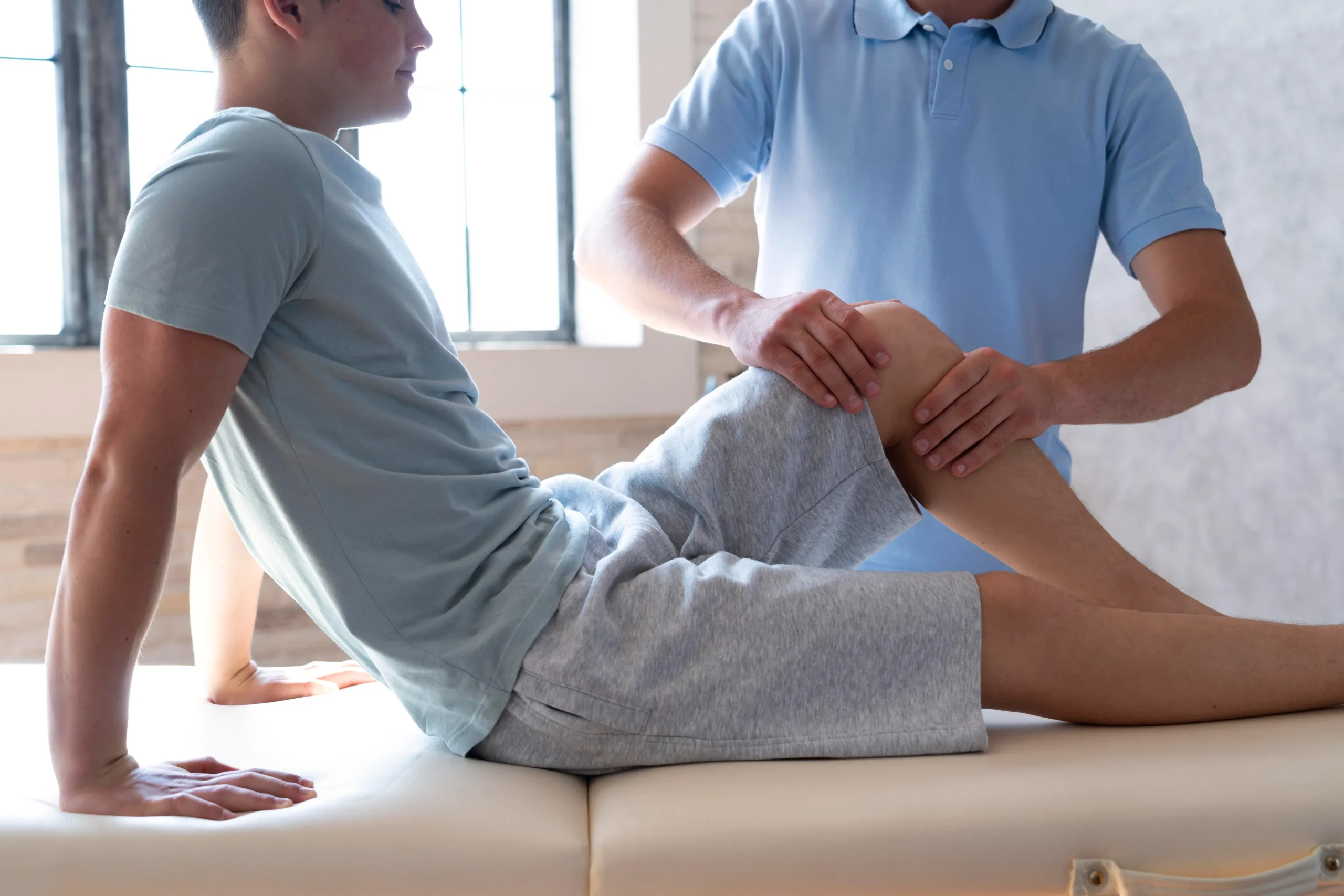
Knee pain is one of the most common reasons people visit an orthopaedic clinic — yet not all knee pain is the same. Understanding the types of knee pain you experience is the first and most important step towards the right treatment. In this guide, we will break down the key difference between acute and chronic knee pain, outlines seven clinically common types, and explains when you need professional care. For a broader overview, see our guide on knee pain causes and treatment.
Acute vs Chronic Knee Pain: What's the Difference?
Acute Knee Pain
Acute knee pain comes on suddenly — usually after a fall, twist, or sports injury. It is sharp, well-localised, and typically lasts fewer than six weeks.
- Common causes: ligament tears, meniscus injuries, fractures, dislocations
- Key signs: sudden onset, rapid swelling, difficulty bearing weight, possible 'pop' sound
Chronic Knee Pain
Chronic knee pain develops gradually and persists for more than three months. It is the hallmark of degenerative and inflammatory joint conditions.
- Common causes: osteoarthritis, overuse injuries, bursitis, inflammatory arthritis
- Key signs: dull aching pain, morning stiffness, crepitus (grinding), worsens with activity
7 Common Types of Knee Pain
1. Ligament Injury (Acute)
Sudden tears of the ACL, PCL, MCL, or LCL — most common in sportspersons. Causes sharp pain, instability, and rapid swelling. Treatment ranges from physiotherapy to ligament reconstruction for complete tears.
2. Meniscus Tear (Acute or Chronic)
A tear in the knee's shock-absorbing cartilage discs, caused by twisting or age-related degeneration. Symptoms include joint-line pain, clicking, and locking. May require knee arthroscopy for irreparable tears.
3. Knee Osteoarthritis (Chronic)
The most common cause of chronic knee pain in adults over 45. Progressive cartilage loss causes aching pain, stiffness, and crepitus. Managed with physiotherapy, injections, or knee arthroplasty in advanced cases.
4. Patellofemoral Pain Syndrome — Runner's Knee (Chronic)
Abnormal kneecap tracking causing diffuse anterior knee pain, worsened by stairs, squatting, and prolonged sitting. Most common in young, active individuals. Treated with quadriceps strengthening and biomechanical correction.
5. Patellar Tendinopathy — Jumper's Knee (Acute or Chronic)
Overuse-related degeneration of the patellar tendon. Causes pain just below the kneecap, especially during jumping and running activities. Treated with eccentric loading, shockwave therapy, or PRP injections.
6. Knee Bursitis (Acute or Chronic)
Inflammation of the fluid-filled sacs around the knee, often from prolonged kneeling or direct trauma. Causes localised swelling and warmth. Treated with rest, ice, NSAIDs, and aspiration if needed.
7. Inflammatory Arthritis — RA and Gout (Chronic)
Rheumatoid arthritis causes bilateral joint swelling and prolonged morning stiffness. Gout presents as sudden, excruciating pain with a hot, swollen joint. Severe joint destruction may ultimately require joint replacement surgery.
When Should You See an Orthopaedic Doctor?
Seek prompt evaluation from a knee pain specialist in Malad if you experience:
- Inability to bear weight after an injury
- Severe or rapid swelling
- Locking, giving-way, or instability of the knee
- Pain persisting beyond 4–6 weeks without improvement
- Night pain disrupting sleep
- Pain with fever, warmth, or redness
If you are a younger patient, our guide on causes of knee pain in young adults covers sports-related and early-onset conditions in detail.
Frequently Asked Questions
Q1. What is the difference between acute and chronic knee pain?
Acute pain comes on suddenly after an injury and resolves within six weeks. Chronic pain lasts over three months and develops gradually from conditions like osteoarthritis or overuse.
Q2. What is the most common type of knee pain?
Knee osteoarthritis is the most common cause in adults over 45. In younger patients, ligament injuries and patellofemoral pain syndrome are most frequent.
Q3. Can knee pain be treated without surgery?
Yes — most cases respond well to physiotherapy, injections, and lifestyle changes. Surgery is only considered when conservative treatment has not worked.
Q4. Is knee pain at night serious?
It can be. Night pain is associated with inflammatory arthritis or moderate-to-severe osteoarthritis and warrants a clinical evaluation.
Q5. When is knee replacement recommended?
When conservative treatment has failed and joint damage is severe. Dr Saraogi offers both primary knee arthroplasty and revision procedures.
Why Choose Us?
At Happy Knees Orthopaedic Clinic, we provide expert, compassionate care to help you move pain-free and improve your quality of life. Specializing in knee and joint treatments, we combine advanced technology with experienced orthopedic expertise to deliver accurate diagnosis and personalized treatment plans. With a strong focus on patient comfort, clear communication, and evidence-based care in a professional, welcoming environment, your joint health is always our priority. To book a consultation, contact 08341535353 or visit https://happyknees.in/
References & Citations
- NICE. Osteoarthritis: Care and Management. Clinical Guideline CG177. 2022.
- AAOS. Management of Osteoarthritis of the Knee. Clinical Practice Guideline. 2021.
- Crossley KM, et al. Patellofemoral pain consensus statement. Br J Sports Med. 2016;50:839–843.
- Lohmander LS, et al. Long-term consequences of ACL and meniscus injuries. Am J Sports Med. 2007;35(10):1756–1769.
- Smolen JS, et al. EULAR recommendations for management of rheumatoid arthritis. Ann Rheum Dis. 2020;79:685–699.
Related Posts