Knee Arthritis Treatment in Mumbai: Non-Surgical vs Surgical Options
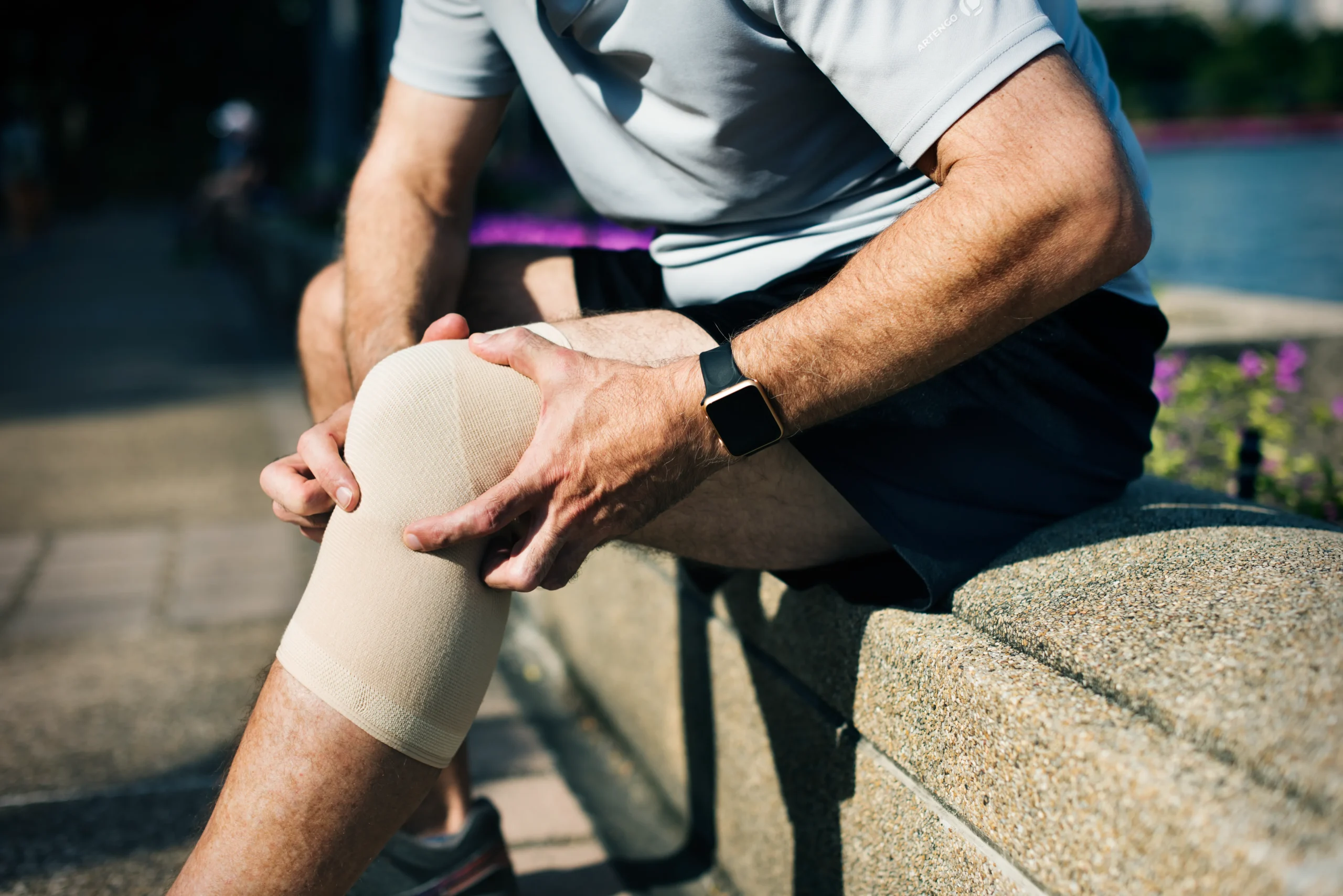
Knee arthritis is one of the most common orthopaedic conditions in India, affecting millions of adults — and its prevalence is rising. The good news is that not every case of knee arthritis requires surgery. With the right diagnosis and a personalised approach, most patients can achieve significant pain relief and improved mobility through non-surgical means. In this guide, Dr Akash Saraogi explains all available knee arthritis treatment options in Mumbai — from conservative care to surgery — so you can make an informed decision about your joint health.
Understanding Knee Arthritis
Knee arthritis refers to the degeneration of cartilage within the knee joint. The most common type is osteoarthritis (OA) — a progressive condition where cartilage breaks down, causing bone-on-bone friction, pain, and stiffness. Rheumatoid arthritis (RA) and post-traumatic arthritis (following a prior injury) are also frequently encountered. The right treatment depends on the grade of arthritis, your age, activity level, and how much the condition is affecting your daily life. For a deeper look at how arthritis relates to different types of knee pain, see our earlier guide.
Non-Surgical Knee Arthritis Treatment Options
For Grade I–III osteoarthritis, non-surgical knee arthritis treatment is the first line of management and works well for the majority of patients. These options are offered as part of comprehensive knee pain treatment at Happy Knees.
1. Physiotherapy & Exercise
Targeted physiotherapy strengthens the muscles around the knee, reduces joint load, and improves range of motion. A structured programme — including quadriceps strengthening, low-impact aerobics, and flexibility work — is the foundation of non-surgical management.
- Best for: all grades of arthritis, especially early-to-moderate
- Outcome: reduced pain, improved function, delayed disease progression
2. Weight Management
Every kilogram of excess body weight applies approximately 4 kg of additional load on the knee joint. Weight reduction through diet and activity is one of the most effective — and underutilised — interventions for knee osteoarthritis. Our guide on
nutrition for joint health offers practical dietary advice.
3. Medications
- NSAIDs (e.g. ibuprofen, naproxen): reduce inflammation and pain for day-to-day management
- Topical anti-inflammatories: gels and creams applied directly to the knee for localised relief
- Duloxetine: used in chronic pain cases where central sensitisation is a factor
4. Intra-Articular Injections
Injections delivered directly into the knee joint provide targeted relief without systemic side effects.
- Corticosteroid injections: rapid anti-inflammatory effect; effective for flare-ups; typically 2–3 injections per year
- Viscosupplementation (hyaluronic acid): lubricates the joint and reduces friction; provides 6–12 months of relief in moderate OA
- PRP (Platelet-Rich Plasma): uses the patient's own growth factors to reduce inflammation and potentially slow cartilage degradation; effective for mild-to-moderate arthritis
5. Bracing & Orthotics
Offloading braces and custom foot orthotics correct alignment, redistribute joint load, and reduce pain — particularly useful in unicompartmental arthritis. Combined with physiotherapy, they can significantly delay the need for surgery.
Surgical Knee Arthritis Treatment Options
Surgery is considered when conservative treatment has been optimised and the patient continues to experience pain that significantly limits their daily life. The grade of arthritis and the compartments involved determine which surgical option is most appropriate.
1. Knee Arthroscopy
A minimally invasive procedure using a small camera to look inside the joint and address specific problems — such as loose bodies, meniscal tears, or focal cartilage damage — that may be contributing to symptoms. Knee arthroscopy at Happy Knees is suitable for younger patients with early-stage arthritis and a specific mechanical problem.
2. Cartilage Repair Procedures
For younger patients with isolated cartilage damage rather than generalised arthritis, cartilage repair procedures — including microfracture and osteochondral grafting — can restore the joint surface and delay or avoid the need for replacement.
3. Partial Knee Replacement
When arthritis is confined to one compartment of the knee, primary knee arthroplasty (partial or unicompartmental replacement) resurfaces only the affected area. It preserves more bone and ligament tissue than a total replacement and has a faster recovery.
4. Total Knee Replacement
For advanced, tricompartmental osteoarthritis (Grade III–IV), total knee arthroplasty is the most definitive solution. The entire joint surface is replaced with durable implants. Most patients walk within 24 hours of surgery and report substantial, long-lasting pain relief. See our detailed guide on knee replacement surgery in Mumbai for cost, recovery, and what to expect.
How Do You Choose the Right Treatment?
The right treatment is never one-size-fits-all. Dr Saraogi follows a structured decision-making process based on:
- Grade of arthritis (I–IV on X-ray)
- Patient's age, weight, and activity level
- Which compartment(s) of the knee are affected
- Response to previous treatments
- Patient's personal goals — pain relief, return to sport, or improved daily function
The goal is always to use the least invasive treatment that achieves adequate relief. Surgery is a last resort — not a first option.
Frequently Asked Questions
Q1. Can knee arthritis be treated without surgery?
Yes — most cases respond well to physiotherapy, weight management, medications, and injections. Surgery is only considered when these have failed and pain significantly impairs daily life.
Q2. Which is the best injection for knee arthritis?
It depends on the grade. Corticosteroids work best for acute flare-ups. Viscosupplementation and PRP are better suited for moderate, ongoing arthritis. Dr Saraogi will recommend the right option after assessment.
Q3. How long do PRP injections last?
Typically 6–12 months. They can be repeated and work best in mild-to-moderate arthritis.
Q4. At what grade of arthritis is surgery needed?
Grade III–IV osteoarthritis causing significant functional impairment is typically the threshold for surgery — but only after conservative treatment has been properly tried.
Q5. Is knee replacement the only surgical option?
No. Depending on the extent of damage, arthroscopy, cartilage repair, or partial replacement may be appropriate alternatives to total knee replacement.
Why Choose Us?
At Happy Knees Orthopaedic Clinic, we provide expert, compassionate care to help you move pain-free and improve your quality of life. Specializing in knee and joint treatments, we combine advanced technology with experienced orthopedic expertise to deliver accurate diagnosis and personalized treatment plans. With a strong focus on patient comfort, clear communication, and evidence-based care in a professional, welcoming environment, your joint health is always our priority.
To book a consultation, contact 08341535353 or visit https://happyknees.in/
References & Citations
- NICE. Osteoarthritis: care and management. Clinical Guideline CG177. 2022.
- AAOS. Management of Osteoarthritis of the Knee. Clinical Practice Guideline. 2021.
- Kolasinski SL, et al. ACR/AF Guideline for the Management of Osteoarthritis of the Knee. Arthritis Care Res. 2020;72(2):149–162.
- Pas HI, et al. Platelet-rich plasma in knee osteoarthritis: a double-blind randomised controlled trial. Ann Rheum Dis. 2017;76(9):1540–1546.
- Bannuru RR, et al. OARSI guidelines for the non-surgical management of knee, hip, and polyarticular osteoarthritis. Osteoarthritis Cartilage. 2019;27(11):1578–1589.
Related Posts